Rose Mellow: Redefining Calm in Creative and Professional Spaces
There is a quiet shift happening in how we design, communicate, and work. After years of high-contrast visuals, relentless productivity culture, and noise from every direction, more people are searching for spaces that feel both inviting and grounded. Enter Rose Mellow — a concept, a palette, a tone of voice that balances warmth with restraint. Whether you are a brand strategist, a content creator, or a freelancer carving out your own niche, understanding Rose Mellow can help you connect with an audience that is tired of shouting and ready for something softer, yet still credible.
What Is Rose Mellow and Why It Matters Now
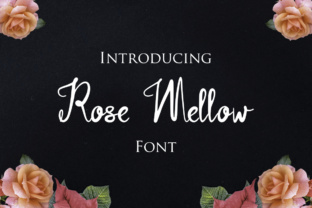
At its core, Rose Mellow describes a blend of muted rose tones and a calm, understated energy. It is not just a color; it is a design philosophy and a communication style that prioritizes presence over pressure. In visual terms, think dusty rose, blush, and mauve combined with warm neutrals. In behavioral terms, it means slowing down the message, using generous white space, and favoring clarity over flashiness.
The relevance of Rose Mellow has grown as audiences react against the hyper-optimized aesthetic of the late 2010s — where every pixel seemed designed to maximize attention at any cost. Today’s users, especially adults between 20 and 50, are more attuned to digital fatigue. They crave interfaces that feel human, brands that speak without urgency, and content that respects their time. Rose Mellow answers that shift by offering a visual and tonal vocabulary that feels approachable without being naive.
For professionals and business owners, this shift is not about following a trend for the sake of it. It is about aligning with changing expectations. A blog, a landing page, or a product label that embodies Rose Mellow signals that you understand the value of trust over hype. It suggests your offering is crafted, not rushed.
How Rose Mellow Fits into Evolving Workflows and Creative Practices
Modern workflows are no longer linear. Many professionals juggle multiple roles — a marketer who also designs, a freelancer who manages client relationships and personal projects. In such a fragmented environment, visual and tonal consistency becomes a mental shortcut for both the creator and the audience.
Rose Mellow provides a framework that works across mediums. It is versatile enough for a brand style guide, a social media feed, a slide deck, or even a personal portfolio site. Because its core is subdued, it does not compete with the content; it elevates it. For instance, a consultant using a Rose Mellow color palette in their presentation slides allows the data to take center stage while the background quietly supports credibility. The same principle applies to writing — using a calm, measured tone instead of exclamation marks and superlatives can make a stronger case for your expertise.
This evolution is partly driven by changing user expectations. People are less tolerant of aggressive animations, pop-ups, and jarring CTAs. They want to consume information at their own pace. Rose Mellow answers that by reducing cognitive load. It is a design choice that respects the user’s mental energy, which in turn increases trust and engagement.
The Role of Soft Aesthetics in Building Long-Term Brands
Consider how a brand like Glossier built a loyal following with a pale pink, minimal look. While not identical, the Rose Mellow sensibility shares that same understanding: softness can signify confidence. It does not need to shout to be noticed. For smaller creators and businesses, this is particularly powerful. You do not need a massive budget to own a distinct visual and tonal space. You just need consistency and a genuine understanding of your audience’s current mood.
Take, for example, an independent coffee roaster that uses a Rose Mellow palette on its packaging and website. The muted rosy tones evoke warmth, morning rituals, and a sense of care. Combined with copy that speaks about slow brewing and mindful sourcing, the brand creates a coherent narrative that stands out precisely because it does not try to be loud. A customer walking into a crowded grocery aisle might not remember every bold label, but they will pause at the one that feels like a soft whisper.
Rose Mellow in Content Creation and Communication
Beyond visual design, Rose Mellow is a tone of voice. It prioritizes clarity, empathy, and understatement. For bloggers, educators, and freelancers, this means writing without unnecessary jargon or hype. It means using shorter sentences, asking genuine questions, and leaving space for the reader to reflect.
This approach aligns well with the Google Helpful Content system, which rewards content that answers user needs directly. A Rose Mellow article does not try to manipulate with urgency or clickbait. Instead, it offers practical insight — like this one — in a way that feels conversational yet authoritative. That combination is powerful for SEO because it naturally earns trust signals, backlinks, and longer dwell times.
- Use soft language — avoid words like “revolutionary” or “game-changer” unless truly justified.
- Incorporate bullet points or short lists to break information into digestible chunks, but keep them focused.
- Let images and white space breathe — both in layout and in sentence structure.
For instance, a productivity blog that adopts Rose Mellow might avoid 10-step hacks and instead write about “three small shifts that reduce decision fatigue.” The difference is subtle but noticeable. The reader feels less overwhelmed and more likely to actually implement the advice.
Practical Implications for Businesses and Entrepreneurs
For business owners, adopting Rose Mellow is not about painting everything pink. It is about a mindset shift toward quality over quantity in communication. When you send a newsletter, does it feel like a broadcast or a conversation? When you design your website, does it prioritize navigation or noise? These are practical questions that Rose Mellow helps answer.
One realistic application is in email marketing. Many brands use subject lines with all caps and emojis to boost open rates, but over time this erodes trust. A Rose Mellow approach would use a calm subject line like “A small update on our delivery timeline” instead of “🔥 NEW SHIPPING – DON’T MISS OUT!”. The former may see a slightly lower open rate initially, but it builds long-term loyalty because subscribers learn that every email is worth reading. They are not afraid of being tricked.
Another area is user interface design. SaaS platforms targeting professionals are increasingly moving toward softer color schemes and minimal dashboards. A Rose Mellow palette — soft rose buttons, warm gray backgrounds, generous spacing — can reduce eye strain and make the tool feel more like a companion than a command center. This matters for freelancers and entrepreneurs who spend hours in the same app.
Case Study: A Freelance Designer Rebranding with Rose Mellow
Imagine a freelance graphic designer who previously used a bold, high-contrast portfolio site with neon accents. After listening to client feedback that they seemed “intense,” they shift to a Rose Mellow-inspired design: muted rose headers, off-white backgrounds, and serif typography. The portfolio images remain vibrant, but the container becomes calm. Within two months, they report more inbound inquiries from clients who describe their work as “elegant and confident.” The change was not in the quality of the work, but in the perception of approachability — a direct result of aligning visual tone with audience expectations.
How to Embrace Rose Mellow in Your Own Work
Adopting Rose Mellow does not require a complete overhaul. Start small and focus on one area where your audience currently feels friction or fatigue.
- Audit your visual touchpoints. Look at your website, social media profile, and printed materials. Is there a dominant harsh color or an overload of information? Consider replacing a high-contrast accent with a muted rose or warm neutral. See how it feels.
- Rewrite one piece of copy. Take your most important landing page or about section. Cut the number of adjectives in half. Replace urgent language with inviting language. For example, change “Get started now before it’s too late” to “Start when you’re ready — we’re here to help.”
- Introduce more white space. Both in design and in your writing. Use shorter paragraphs. Let bullet points stand out. In a slide deck, reduce text to one key idea per slide.
- Gather feedback. Ask a few trusted clients or peers if your recent materials feel calmer or more trustworthy. Often, the change is subtle, but others will notice a difference in tone before you do.
Remember that Rose Mellow is not about being passive. It is about active restraint. Just as a musician uses silence to make the notes more powerful, a professional can use softness to make their message more meaningful. In an economy of attention, being the calm voice in the room might be the most strategic move you make.
Why This Approach Resonates Across Audiences
The audience for Rose Mellow is broad because the need for calm is universal. Entrepreneurs working 12-hour days want tools that do not add stress. Content creators tired of the algorithm rat race want sustainable ways to connect. Professionals attending back-to-back Zoom calls want visual environments that soothe rather than stimulate. Rose Mellow meets them where they are — not by promising escape, but by offering a functional, beautiful alternative to the friction of modern life.
It also aligns with the broader cultural move toward intentionality. People are choosing slower travel, simpler wardrobes, and more mindful consumption. The digital and professional spheres are catching up. Rose Mellow is just one expression of that shift, but it is a particularly accessible one because it does not require a major lifestyle change. It starts with a color, a word, a layout — and then ripples outward.
In a world that often feels reactive and loud, choosing to be Rose Mellow is a quiet act of confidence. It says you trust your audience enough to let them breathe. And in return, they trust you enough to stay.