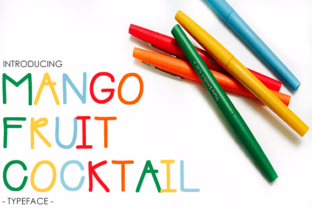
Mango Fruit Cocktail: A Modular Creative System
Creative work thrives when you can mix proven elements in fresh ways. That is the idea behind Mango Fruit Cocktail, a flexible approach to assembling design, content, and marketing components into cohesive outcomes that feel both familiar and surprising. Think of it as a toolkit where each ingredient retains its identity but contributes to a balanced whole. For anyone who builds things—whether a landing page, a social campaign, a workshop, or a brand identity—this method offers clarity without rigidity and variety without chaos.
The name comes from the way a fruit cocktail combines distinct fruits into one harmonious dish, with mango often serving as the anchor flavor that ties everything together. In a creative context, Mango Fruit Cocktail refers to a modular system where you define core elements (your mango base) and then layer complementary components depending on the audience, platform, or goal. The result is consistent yet adaptable, efficient yet original.
What Makes This Approach Different
Most creative systems fall into one of two traps: they are either too prescriptive, stifling experimentation, or too loose, producing inconsistent work. Mango Fruit Cocktail strikes a middle ground by establishing a strong central component—the mango—and then allowing flexible combinations around it. This central element could be a color palette, a tone of voice, a visual motif, a content format, or a design pattern. It is the recognizable thread that runs through every output, while the other fruits change based on context.
For example, if your mango is a specific illustration style, you might pair it with photography for one campaign and with typography-heavy layouts for another. The illustration style remains consistent, but the supporting elements shift. This gives your audience a sense of familiarity while preventing fatigue. It also speeds up production because you are not reinventing the core every time.
The flexibility also makes it easier to collaborate across teams. Designers, writers, and marketers can work from the same central reference without needing to align on every detail. They understand what the mango is and can choose their own complementary fruits within the system.
Creative Applications Across Disciplines
One of the strengths of Mango Fruit Cocktail is that it adapts to different creative roles without losing its structure. Here are a few ways different professionals might apply it.
For Designers and Visual Creators
A designer can define a mango as a specific grid system or layout pattern. Every project starts with that grid, but the visual elements inside—imagery, typefaces, iconography—change depending on the brief. A portfolio site might use the grid with bold photography and sans-serif type, while a client presentation uses the same grid with data visualizations and muted colors. The grid provides rhythm and familiarity, while the other ingredients keep each piece fresh.
You can also think of the mango as a signature color or gradient. Use it as an accent across all projects, and vary the surrounding palette. Over time, that color becomes associated with your work, yet each project feels distinct because the supporting palette shifts.
For Content Creators and Writers
Writers can apply Mango Fruit Cocktail by treating a specific article structure or narrative voice as the mango. For instance, you might settle on a storytelling pattern: a personal anecdote, followed by a key insight, then a practical takeaway. Every piece of content follows that arc, but the topic, examples, and tone adapt to the audience. A blog post for entrepreneurs might use the same structure as a newsletter for educators, but the language and references differ.
Another approach is to define the mango as a recurring content format, such as a listicle with a twist or a case study with a lesson. Keep the format consistent, and rotate the subject matter. Your readers learn to expect a certain type of value from you, which builds loyalty, while the variety keeps them engaged.
For Marketers and Brand Strategists
In marketing, consistency is critical, but so is relevance. Mango Fruit Cocktail lets you maintain brand identity while tailoring messages to different segments. The mango could be your brand voice—friendly, direct, and confident—while the supporting elements shift based on the channel. On LinkedIn, you might pair that voice with data and industry terms. On Instagram, you pair it with casual language and behind-the-scenes stories. The voice stays recognizable, but the execution fits the platform.
You could also use this system for campaign themes. Define one central theme as the mango, and develop multiple campaign variations around it. A sustainability theme might appear in a product launch, a social media series, and an internal newsletter, each time with different supporting messages and visuals.
For Educators and Workshop Leaders
Educators can use Mango Fruit Cocktail to design learning experiences. The mango could be a core framework or methodology you teach, and the supporting ingredients are the examples, exercises, and case studies you choose for different groups. A workshop for beginners might use simple analogies and guided practice, while an advanced session uses complex scenarios and peer critique. The framework stays the same, which helps you refine it over time, while the delivery adapts to the learners.
Building Your Own System
Creating a Mango Fruit Cocktail system does not require extensive planning, but it does benefit from some intentional choices. Start by identifying what you want to remain consistent across your work. This is your mango. It should be something that reflects your strengths or your brand and that can realistically appear in every project.
Next, list the variables you are willing to change. These are your other fruits. They might include format, tone, imagery style, length, platform, or audience segment. The goal is not to limit yourself but to know which levers you can pull to create variation without losing coherence.
Finally, document a few example combinations. For instance, if your mango is a minimalist layout, then one combination might be minimalist layout + bold typography + photography. Another might be minimalist layout + pastel colors + illustrations. These examples give you a starting point and help others understand how to work within the system.
Variations That Keep Work Fresh
Once you have a system, you can explore variations intentionally. One useful approach is to change the ratio of ingredients. Some projects might feature the mango prominently, with subtle supporting elements. Others might let a supporting fruit take the lead while the mango appears only as an accent. Both still belong to the same system, but they feel different.
Another variation is to seasonally update your supporting ingredients. Just as a fruit cocktail changes with what is fresh, you can rotate your secondary elements based on trends, seasons, or campaign cycles. This keeps your work timely without disrupting your core identity.
You can also experiment with unexpected combinations. Pair your mango with a fruit that seems contrasting, then test whether the result feels disorienting or refreshing. Some of the most memorable creative work comes from unlikely pairings that still honor the system. The key is to evaluate the result honestly and keep what works.
Keeping Results Clear and Audience-Friendly
A modular system only works if the audience perceives coherence. To achieve that, focus on a few key practices.
- Define your mango clearly. If the central element is vague, the system loses its anchor. Write a short description of what it is and what it is not.
- Limit the number of variables. Too many possible combinations lead to decision fatigue and inconsistent output. Choose three to five supporting elements you will vary.
- Test with a small audience. Show two variations from your system to people who know your work. Ask if they feel related but different. If they feel disconnected, adjust the mango or the variables.
- Document examples. Create a simple reference with a few successful combinations. This helps collaborators and your future self stay on track.
Audience-friendly results also depend on context. A system that works for a newsletter might need adjustment for a presentation. The mango can remain, but the supporting elements should suit the medium. For a video, supporting elements might include pacing, music, and visual transitions. For a print piece, they might include paper stock, layout density, and typography hierarchy.
Practical Steps to Get Started
If you want to try Mango Fruit Cocktail in your own work, begin small. Pick one project or content stream and define your mango. It could be as simple as a recurring opening line, a specific color, or a layout grid. Then produce two variations using different supporting elements. Compare the results and note what felt easier or harder than creating from scratch each time.
Over the course of a few weeks, expand the system to other projects. You do not need to use it for everything. Even applying it to one area of your work can reduce decision fatigue and create a more recognizable style.
For teams, consider hosting a short workshop where everyone agrees on the mango and brainstorms possible supporting elements. The collaborative process builds buy-in and surfaces ideas you might not have considered alone. It also ensures that everyone interprets the system the same way.
Finally, revisit your system periodically. Creative work evolves, and what served you well six months ago might feel stale now. Update your mango or refresh your list of variables. The system should support your creativity, not constrain it.
Mango Fruit Cocktail is not about rigid formulas. It is about finding a reliable center that lets you experiment freely around it. For creative professionals who need to produce consistent, high-quality work at scale without burning out, this approach offers a practical path. Start with one mango, add a few fruits, and see what combinations emerge. The best ones will become your signature.