Camomile Script: The Organic Typeface Reshaping Digital Design and Brand Storytelling
In a digital landscape crowded with mechanical precision and cold uniformity, a shift toward warmth and human connection is underway. Creators, marketers, and entrepreneurs are rediscovering the power of imperfect, handcrafted aesthetics—and at the centre of this movement is Camomile Script. This typeface, inspired by the gentle flow of chamomile petals and the natural rhythm of handwriting, offers more than just visual appeal. It represents a broader cultural turn toward authenticity, emotion, and approachability in everything from branding to user interfaces. Whether you are designing a logo, writing a personal blog, or building a digital product, understanding Camomile Script can help you communicate with clarity and soul. Let’s explore what makes it relevant today, how it fits into current design trends, and why it deserves a place in your creative toolkit.
What Camomile Script Is and Why It Matters Now
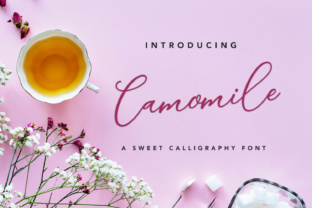
Camomile Script is a modern script typeface that blends organic, hand-drawn qualities with digital readability. Unlike rigid sans-serifs or overly ornate calligraphy fonts, it strikes a balance between personality and function. Its letterforms are fluid but legible, with subtle variations in stroke weight that mimic natural pen pressure. The result is a typeface that feels human and inviting without sacrificing professional polish.
The relevance of Camomile Script lies in its timing. Over the past decade, users have grown weary of sterile, template-driven design. They crave visual experiences that feel personal and trustworthy. This shift is evident across industries: e-commerce brands use hand-lettered typography to build rapport, social media creators rely on script fonts to stand out in feeds, and SaaS companies incorporate organic elements to soften their interfaces. Camomile Script answers this call by offering a typeface that is both distinctive and versatile. It works equally well for a boutique retailer’s packaging, a freelancer’s portfolio website, or a wellness app’s onboarding screen.
What sets Camomile Script apart from other script fonts is its subtlety. It does not shout for attention; it invites readers in. This makes it especially valuable in an era where attention spans are short and emotional resonance is paramount. When someone encounters Camomile Script, they do not just read words—they feel a sense of care and intention.
The Rise of Human-Centred Design
Modern users expect digital experiences that acknowledge their humanity. They want interfaces that feel intuitive, content that speaks to them, and brands that seem approachable. This has pushed designers to move beyond minimalism into what some call “warm design”—a style that uses organic shapes, soft textures, and human-like typography to create emotional connections. Camomile Script fits naturally into this framework. Its irregular letter spacing and gentle curves introduce a handcrafted element that immediately softens a layout. When used for headlines, quotes, or call-to-action buttons, it signals that a brand is not a faceless entity but a group of real people.
Personal Branding and the Creator Economy
For freelancers, bloggers, and creators, standing out is no longer optional—it is essential. Camomile Script offers a way to inject personality into a personal brand without reinventing the wheel. A coach using it on their website header, a podcaster incorporating it into episode thumbnails, or an educator applying it to course materials creates a consistent visual identity that feels bespoke. This is especially effective because script fonts, when used sparingly, convey craftsmanship and attention to detail. In a sea of generic Canva templates, Camomile Script helps creators claim their own visual space.
Trust and Authenticity in Business Communication
Entrepreneurs and business owners are also recognizing that trust is built through small details. A handwritten thank-you card, a personalised email signature, or a product label with a script logo all communicate effort. Camomile Script allows businesses to replicate this warmth at scale. A coffee roaster using it on their packaging, a stationery brand applying it to their website, or a consultancy employing it for presentation titles all benefit from the same psychological effect: the typeface suggests care, transparency, and a human touch. In an age where consumers research brands before buying, these subtleties matter.
The Evolution of Script Fonts and Why Camomile Script Represents a Mature Phase
Script fonts have existed for centuries, but their digital journey has been uneven. Early digital scripts were clumsy and hard to read, often reserved for formal invitations or decorative headers. As web fonts improved, designers experimented with more expressive options, but many remained too ornate for everyday use. The last five years have seen a refinement. Type designers now focus on legibility, variable weights, and multilingual support, making scripts practical for body text, user interfaces, and responsive designs.
Camomile Script sits at the sweet spot of this evolution. It retains the charm of hand-lettering while adhering to modern design principles. Its neutrality—neither too feminine nor too decorative—makes it adaptable across genres. A tech startup might use it for a landing page hero section, while a botanical brand might apply it to product descriptions. This versatility is a direct response to market demands: businesses want one typeface that can do many jobs without looking out of place. Camomile Script delivers that flexibility.
Another factor driving attention to Camomile Script is the growing interest in digital wellbeing and slow design. As people seek to reduce digital fatigue, they gravitate toward visuals that feel calm and natural. The chamomile flower, which lends its name to the typeface, is associated with relaxation and balance. The font itself evokes a similar feeling—its loops are open, its terminals soft, and its overall rhythm unhurried. Using Camomile Script in a user interface can subtly reduce cognitive load and make reading feel more effortless. This aligns perfectly with trends in mindfulness, mental health, and intentional technology use.
How to Use Camomile Script Effectively
Like any strong design element, Camomile Script works best when applied with intention. Here are several grounded recommendations based on current best practices:
- Pair it with a neutral sans-serif. Camomile Script shines when contrasted with a clean, unobtrusive companion font like Open Sans or Inter. Use the script for headings or emphasis, and let the sans-serif carry the main body text. This combination provides hierarchy and avoids visual fatigue.
- Reserve it for short passages. While Camomile Script is remarkably legible for a script, its organic nature makes it most effective in short bursts—titles, pull quotes, navigation labels, or hero text. Avoid using it for long paragraphs or dense information.
- Consider context and audience. A law firm or financial institution may find script fonts too informal, while a creative agency or lifestyle brand can use them freely. Test your audience’s response by A/B testing landing pages or social media posts with and without script elements.
- Layer it sparingly. One script element per page or composition is usually enough. Overusing Camomile Script can dilute its impact and make a design feel busy. Let it serve as an accent, not a foundation.
Real-World Examples of Camomile Script in Action
Imagine a wellness coach launching a new online course. The sales page uses Camomile Script for the headline: “Find Your Calm.” Below it, a clean sans-serif explains the curriculum. The script adds emotional resonance, making the offer feel personal rather than transactional. A stationery brand uses the same font for its product names—“Handmade Journal,” “Linen Notebook”—on its Shopify store. Customers perceive the brand as artisanal, even if the production process is automated.
For marketers, Camomile Script can enhance email campaigns. A subject line set in script might feel too gimmicky, but using it for a greeting (“Hi there,”) or a signature (“With gratitude,”) adds warmth. In social media graphics, it works well for overlaying quotes or announcements on photos. The key is to let the typeface support the message, not overshadow it.
Practical Implications for Everyday Readers and Enthusiasts
Even if you are not a designer or business owner, Camomile Script has practical applications. If you maintain a personal blog, using it for your post titles can make your content feel more intimate and inviting. For hobbyists who create printables, planners, or digital artwork, the font adds a professional touch without requiring advanced skills. Many modern design tools—Canva, Adobe Express, Figma—include script fonts in their libraries, making Camomile Script accessible to anyone.
For educators preparing worksheets or presentation slides, a touch of Camomile Script on the title page can engage students by signalling a shift from formal instruction to personal connection. Even for personal correspondence—like thank-you cards or invitations—using the typeface in a digital document mimics the feel of handwriting without the need for calligraphy skills.
Grounded Guidance: What Camomile Script Is Not
It is important to avoid overpromising what Camomile Script can achieve. No typeface alone will transform a brand or salvage poor content. Script fonts are not suitable for all industries, audiences, or contexts. In highly formal or data-heavy environments, they can feel out of place. Accessibility is another consideration: some script fonts, especially at small sizes, may be difficult for people with dyslexia or low vision to read. Always test your designs with real users, and provide fallback options when necessary.
Moreover, the trend toward handcrafted design does not mean every brand should abandon clean, modern typography. Camomile Script is one tool among many. Its effectiveness depends on how well it aligns with your message, audience, and medium. Use it because it serves a purpose, not because it is popular.
Looking Ahead: The Role of Script Fonts in an Increasingly Visual World
As visual communication continues to dominate—through social media, video thumbnails, email newsletters, and digital products—the demand for distinctive, human-centric typography will only grow. Camomile Script represents a mature, thoughtful response to that demand. It offers the emotional pull of handwritten lettering with the practicality needed for modern workflows. Whether you are a creator building a personal brand, a marketer refining a campaign, or a business owner looking to connect with customers, this typeface provides a simple but powerful way to add warmth, authenticity, and clarity to your work.
The most effective designs do not just convey information—they make people feel something. Camomile Script helps you do exactly that. By understanding its strengths, limitations, and best uses, you can integrate it into your projects with confidence. And in a digital world that often feels impersonal, that small gesture of warmth can make all the difference.